


Vascular diseases are among the most common in the modern population.One of these diseases is varicose veins in the legs.Anyone who has leg problems should know the symptoms and treatment of this disease to be able to react in time.
What are varicose veins in the legs
Many people who face this problem already know what varicose veins in their legs mean.However, some may not even suspect that they have this disease;is associated with vein defects.And it can occur not only in the legs, but also in the pelvis, and sometimes affects the digestive system.
When the disease appears, the veins in the legs become wider and longer, and their walls, on the contrary, become thinner and the blood stops circulating properly.Nodules also appear in the veins.This most often occurs due to a hereditary defect of the veins, as a result of which their structure is not completely complete.
The following reasons can cause this disease:
- heavy and constant static load on the legs when you have to stand or sit for a long time;
- genetic predisposition.If parents suffer from the disease, it means that it is likely to manifest itself in children;
- Excessive body weight, due to which the veins are subjected to additional stress;
- pregnancy can also trigger the appearance of varicose veins;
- Additionally, additional factors are constant stress and wearing tight, uncomfortable shoes and clothing.
All these reasons lead to the fact that the pressure in the veins increases and they expand.In addition, the functioning of the valves in the veins is disrupted and the blood begins to circulate incorrectly.If the disease is not treated, the load on the veins gradually increases and this worsens the situation.
Varicose veins in the deep veins of the legs
There are 2 types of veins located in the lower extremities - superficial and deep.When varicose veins appear, the first ones are visible to the naked eye, as they are located under the skin.The latter are located deep in the muscle fiber and are therefore not visible.It is important to highlight varicose veins in the legs, whose symptoms and treatment are specific to deep veins.Because they are not visible on the surface, it is impossible to notice their bulge and the formation of stars.Therefore, the presence of problems with deep veins can be understood by secondary signs.Among them, the most characteristic are leg pain and dull aches.Swelling may also appear.Sometimes the disease develops with almost no symptoms.
Varicose veins in deep veins are a very serious disease.These vessels carry blood from the extremities to the heart and are more important than the superficial veins.Therefore, problems arising in them can lead to dangerous consequences.The main ones include the appearance of blood clots, blockage of blood vessels and impaired blood circulation, causing it to start flowing backwards.
A hereditary defect can also cause problems with the deep veins in the legs.As well as constant static loads on the legs or lack of movement.
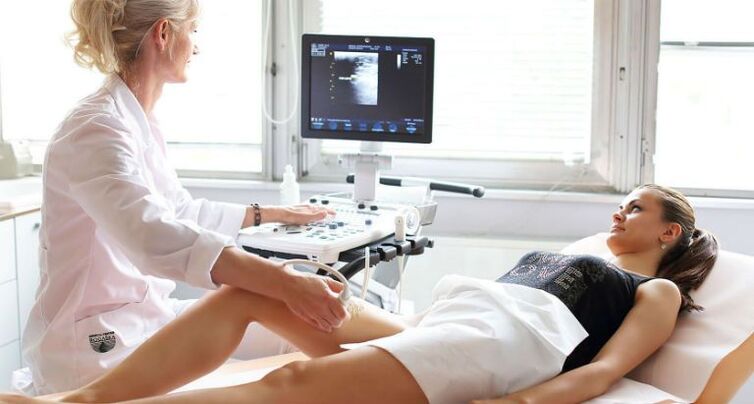
Diagnosis of deep vascular lesions requires the use of methods such as ultrasound.Because a superficial examination will not provide any information about the condition of the veins.Home treatment of this disease must necessarily be supplemented by methods accepted in modern medicine.
Varicose veins on the inside of the legs
It is worth mentioning that internal and deep veins are the same concept.Therefore, when we talk about internal varicose veins, it means that the disease affects vessels located deep in the muscles, which will not be visible on the surface.Unlike a disease that occurs in superficial vessels, an internal disease cannot be recognized by the presence of lumps and dark stars.An alarming sign is the appearance of pain and cramps in the legs, including at night.Limbs become very tired and sometimes swell.Therefore, if characteristic symptoms occur, you should immediately consult a doctor specializing in the treatment of these diseases.After the examination, the phlebologist prescribes a series of medications;Furthermore, you can use the treatment at home using traditional methods.The main thing is to consult a doctor first.
Symptoms and treatment in men
This problem occurs less frequently in the male population than in the female population.However, the disease can occur at any age, including young people.The main symptoms are the appearance of cramps in the calves, especially at night, as well as rapid fatigue in the legs and the appearance of heaviness.Sometimes the development of the disease is accompanied by itchy skin.As the disease progresses, skin changes, swelling and, later, dark stars appear.
Why this disease is dangerous is in the early stages - it is very difficult to recognize, as signs may not be observed.Therefore, it is extremely important to consult a doctor in time.
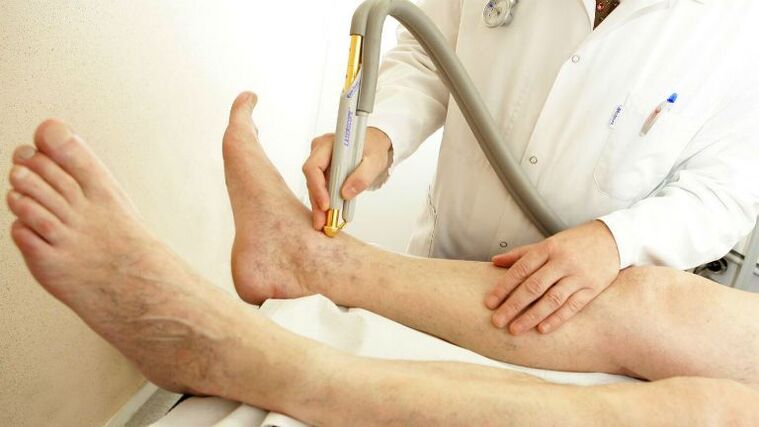
Currently, there are several ways to treat the problem.This includes taking medication, using a laser, and also having surgery to remove varicose veins.Traditional methods involving the use of plants are also used.
Symptoms and treatment in women
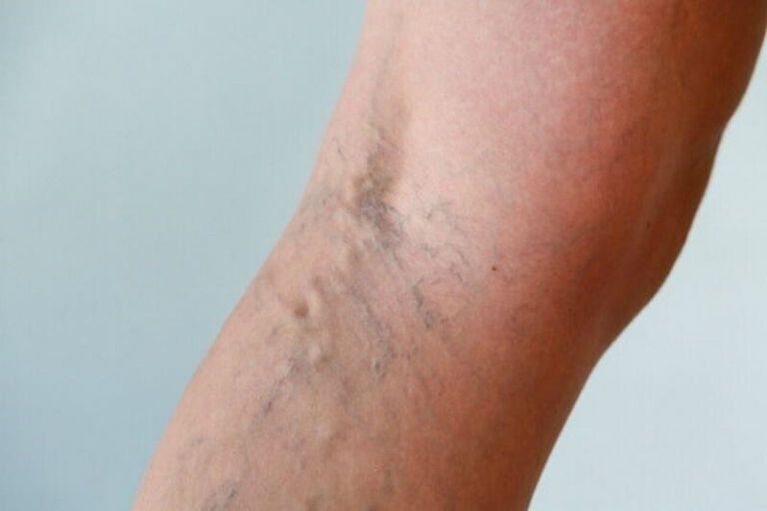
This problem occurs much more frequently in women than in men.Varicose veins on the legs, symptoms and treatment of this serious disease should only be entrusted to professionals.The main problem with this is that the legs, which have dilated veins, look unsightly, which is very embarrassing for many women.The symptoms of the disease are in many ways similar to a similar problem in men and depend on the stage of the disease.
At first, sometimes signs of the disease do not even appear.Itching and swelling occur more frequently, especially after exercise.Cramps are common, most often during sleep, and fatigue sets in quickly.If the stage is more severe, the veins swell, dark spots and lines appear on the legs and frequent pain.
If these symptoms appear, you will need to seek help from a phlebologist.Who will tell you how to treat varicose veins on the legs in women and prescribe the necessary medications and procedures.
Treatment methods include medications, laser procedures, and surgeries.Compression stockings are sometimes used.Another widely used method is sclerotherapy.
What medicines to take for varicose veins in the legs
Treatment with medication is one of the most common ways to combat the problem.At the same time, they can be taken both for prevention and in the presence of diseases, independently or in combination with other types of therapy.All of them are divided into several types depending on the action.There are medications with anti-inflammatory, anticoagulant and also venotonic effects.The first reduce discomfort, the second thin the blood and prevent the formation of blood clots, and the third help to strengthen blood vessels and improve their condition.
Which medications to take and in what dosage should be decided only by a specialist.
Diet for varicose veins in the legs
If you have this disease, you need to pay special attention to your diet.You should avoid salty foods, as well as spicy foods, and reduce the amount of sweets and flour products.The list of undesirable foods also includes canned foods, smoked foods, alcoholic and tonic drinks - strong tea or coffee.If possible, you need to increase the amount of fruits and vegetables in your diet.Products such as rye, wheat or oat sprouts, soybeans and cabbage have a beneficial effect on the condition of the veins.
It is worth remembering that it is necessary to constantly follow the chosen diet to obtain the desired effect.